
Beyond Physical Performance
Performance is more than physical. Physical data shows how fast and how far. The Situational Performance Framework (SPF) shows whether a player chose the right action, at the right moment.
Download the Management Summary (PDF) →
Written by Beer Flik, Forward Football

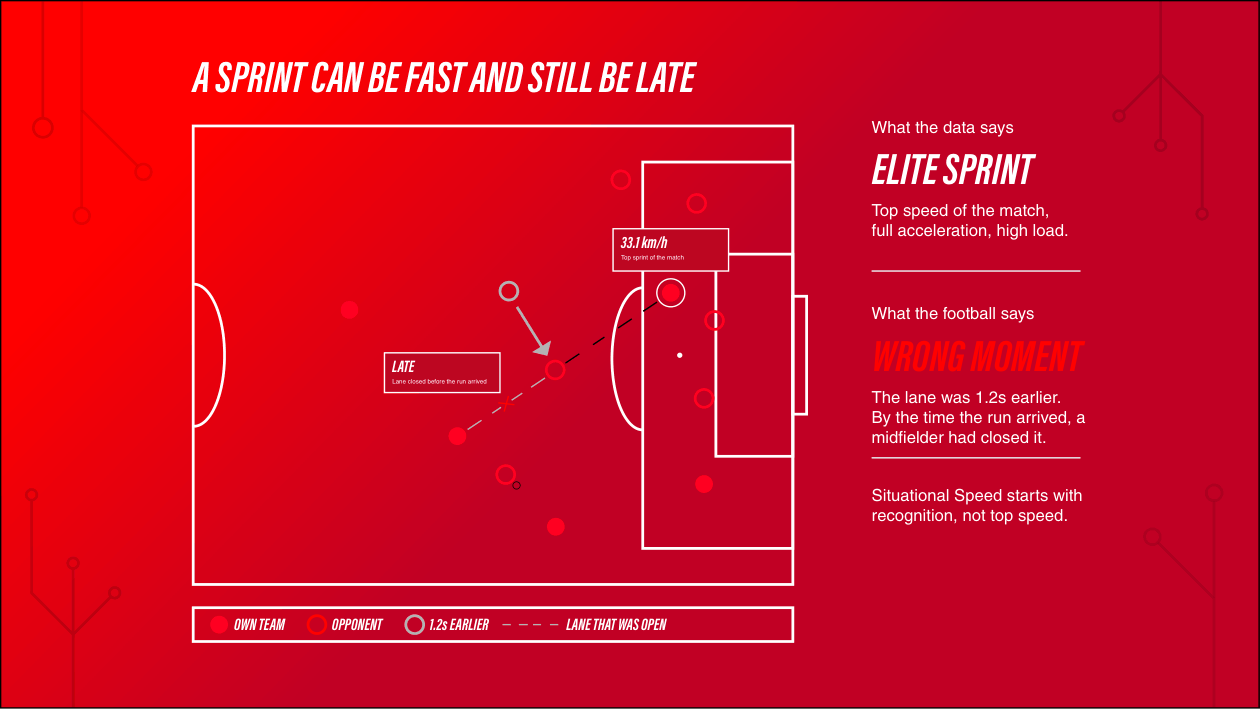
A sprint can be fast and still be late.
Elite football knows more than ever about the athlete. The next opportunity is to connect that expertise to the footballer.
Distance, sprint exposure, accelerations, strength, training load and recovery have transformed physical preparation. They remain essential. But they do not, by themselves, explain whether a player recognised the right moment, supported the Playing Principle, selected the right solution or created the next desired Football Situation.
The Situational Performance Framework™ provides a shared language for that wider performance question. It connects physical output with the cognitive, technical, tactical and situational processes that drive a Football Action. Its unit of analysis is not the isolated sprint, pass or duel, but the quality of that Football Action in its football context, and the Football Situation it creates next.
Monday morning with the Situational Performance Framework
Did the player do the right thing, at the right moment, for the way your team wants to play? SPF helps your staff answer that, one clip at a time.
- Pick a momentA recurring moment from your last match, for example losing the ball.
- Ask six questionsWhat did the moment need, and what did the player see and do?
- Rate it and train itRate the action E, P, N or Ne, then turn it into one training focus.
Football performance becomes meaningful when we connect the Football Situation, the required Game Understanding, the quality of the Football Action and the next Football Situation.
The framework is a method in development, not a finished universal scoring system. It is designed to be challenged and refined with coaches, analysts, performance practitioners, academy leaders, researchers and technology partners.
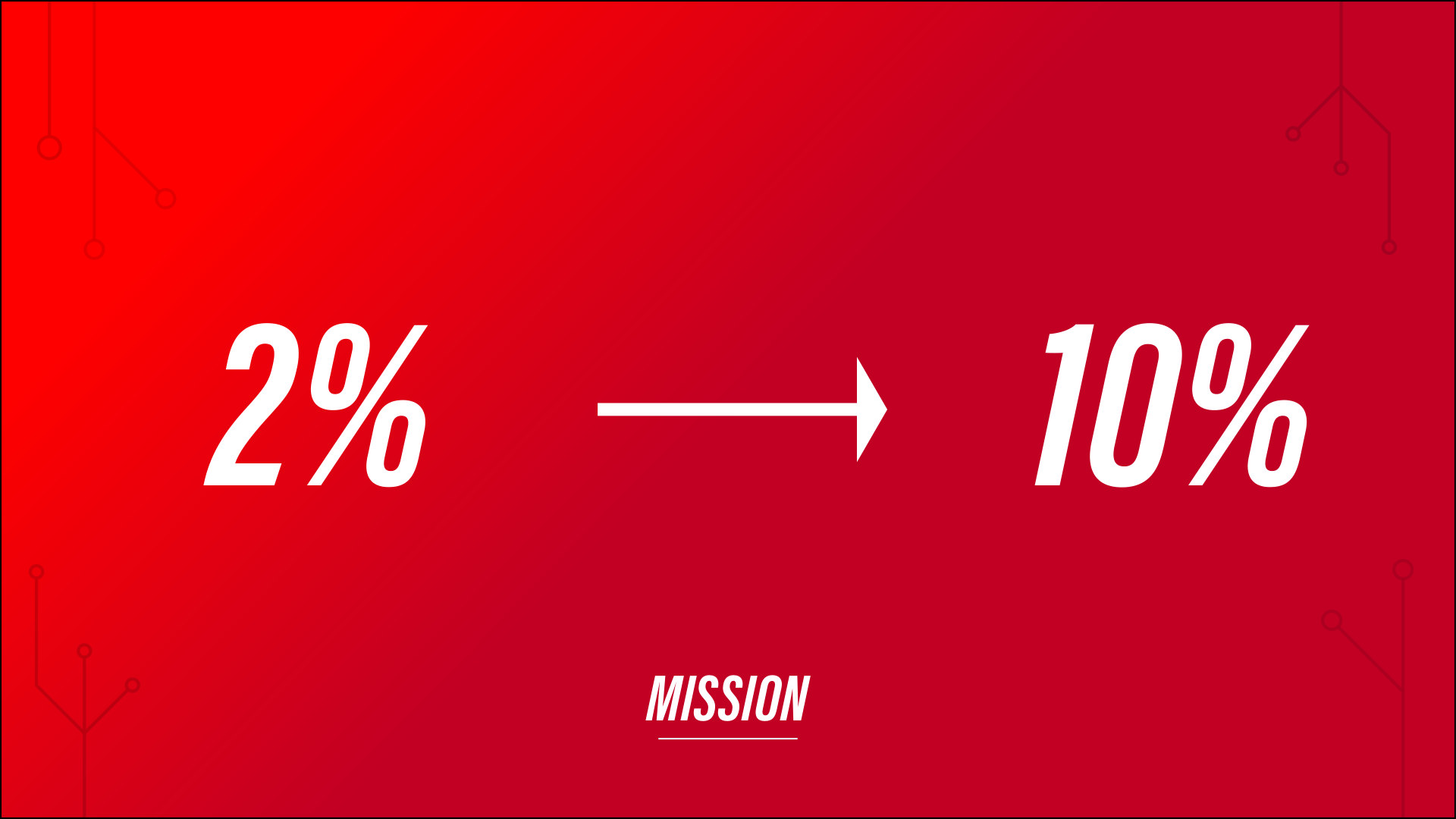
Close the gap: 2% → 10%
From an estimated 2% to 10% breakthrough players progressing from academy football into sustainable first-team contribution.
The 2% is Forward Football’s own estimate of academy players who break through today. The 10% is the goal SPF is built for.
The mission defines the outcome. The framework defines the method.
Positioning statement
The Situational Performance Framework™ redefines football performance by connecting physical output with the cognitive, technical, tactical and situational processes that drive Football Actions.
What the Situational Performance Framework is, and is not
- It is a football-first analysis and development method.
- It broadens physical performance expertise; it does not replace it.
- It starts from the team’s Game Model, Playing Style and Playing Principles, not from the available data field.
- It connects team patterns to individual player contribution.
- It is not yet a validated universal rating or automated truth engine.
The performance gap
We have become highly capable at measuring visible output, while much of the football logic behind it remains under-analysed.
A completed pass can be technically accurate and still ignore the most valuable forward option. A high-intensity press can produce impressive physical data and leave the team disconnected. Conversely, an off-ball movement may create decisive space without touching the ball or appearing in conventional event totals.
| Currently strong | Next opportunity |
|---|---|
| Physical capacity and load | Football Action Quality in context |
| Distance, speed and exposure | Recognition, intention, choice and execution |
| Isolated event outcomes | Recurring action-situation patterns |
| Team totals and player totals | Contribution to Playing Principles |
| What happened? | Why did it happen, and what should improve next? |
The issue is not that physical data is unimportant. The issue is that it is too often treated as performance itself rather than as one essential part of a complete Football Action.
Did the player’s contribution help create the Football Situation the team wanted, according to its Playing Principles?
Shared football language
Six plain terms, so everyone describes the same moment the same way.
Football Situation
The dynamic arrangement of ball, players, space, time, pressure, phase, score and other relevant match conditions at a given moment.
Football Action
A purposeful football behaviour by one or more players that changes, maintains or attempts to change the current Football Situation.
Game Understanding
The ability to recognise what a specific Football Situation requires in relation to the team’s Game Model, Playing Style, Playing Principles, role and match context.
Game Model
The coherent description of how a club or team intends to play across phases and recurring Football Situations.
Playing Style
The recognisable identity of how a team seeks to play.
Playing Principles
Practical shared intentions that guide behaviour in recurring Football Situations without prescribing every movement.
Management Summary of the Situational Performance Framework
The full framework on 14 pages. Free PDF.
Download PDFThe Situational Performance Framework licence
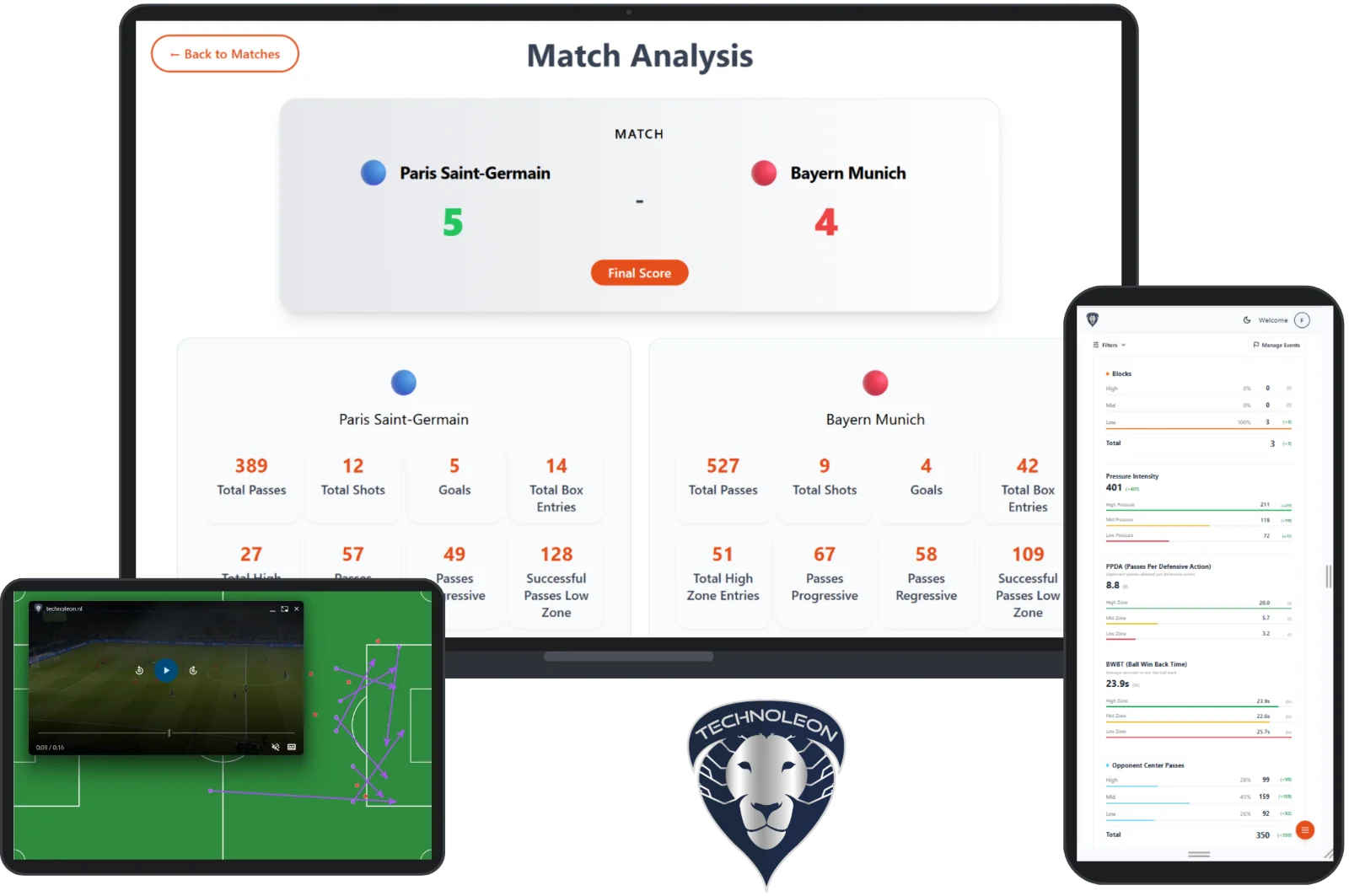
One licence for your club: Technoleon, our analysis platform, plus staff workshops and match analysis by Forward Football. Review passes, runs and presses against your own team’s football.
- A working E / P / N / Ne scale: Exceptional, Positive, Neutral, Negative
- Judged against your own Playing Principles, not generic stats
- From team patterns down to each player’s contribution
- Workshops plus a six-question clip review your staff can use every week
- Match analysis done for you by Forward Football
Pricing on request. Version 1.0: pilot clubs use the method on their own matches and help shape the next version.
Follow new SPF versions and pilot updates on Forward Football on LinkedIn.