
Applying the method
How clubs use SPF every week: rate each action, run a clip review, speak one language.
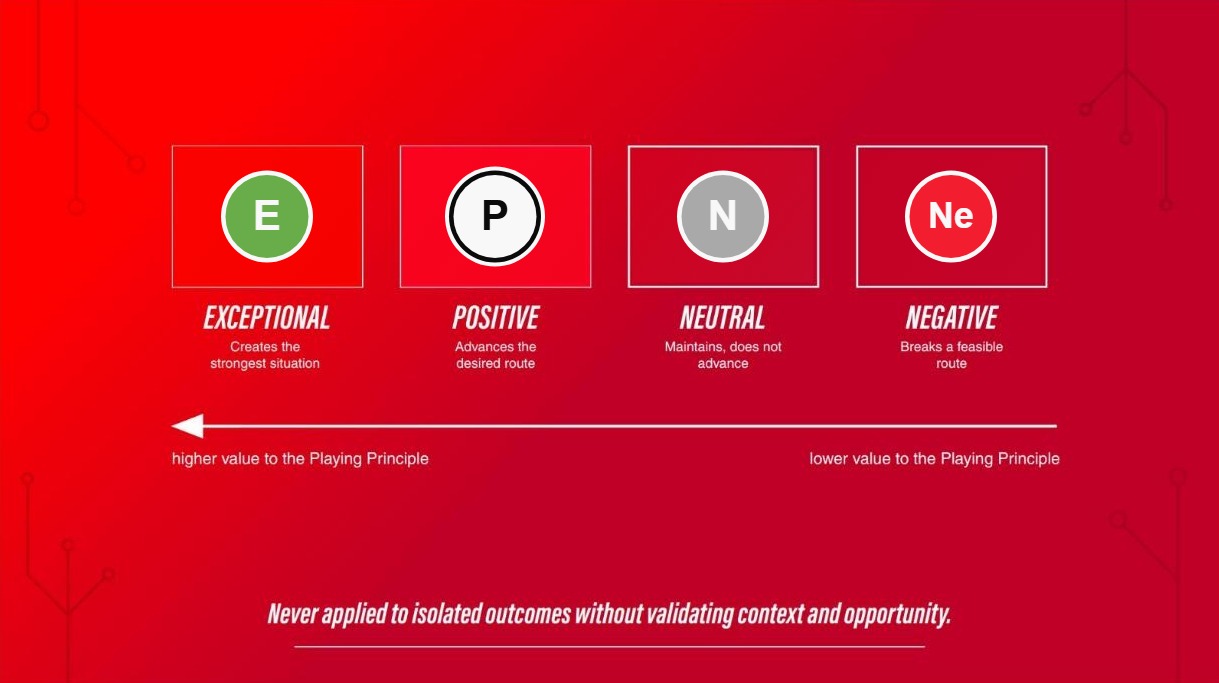
A transparent evaluation language for clip review
E / P / N / Ne provides a working qualitative scale, without pretending to have validated precision. Every action is judged in context.
| Rating | Meaning | Interpretation |
|---|---|---|
| EExceptional | Directly creates the strongest defined principle-consistent Football Situation. | Clear, high-value contribution. |
| PPositive | Advances or enables the desired route. | Useful contribution or connector. |
| NNeutral | Maintains stability but does not sufficiently advance the principle. | Neither clear progress nor clear break. |
| NeNegative | Breaks a feasible route or creates an adverse next Football Situation. | Contribution conflicts with the defined intention. |
The scale should never be applied to isolated outcomes without validating context and opportunity. A forward pass is not automatically positive; a backward pass is not automatically negative. The relevant question is what the Football Situation offered and what the Playing Principle required.
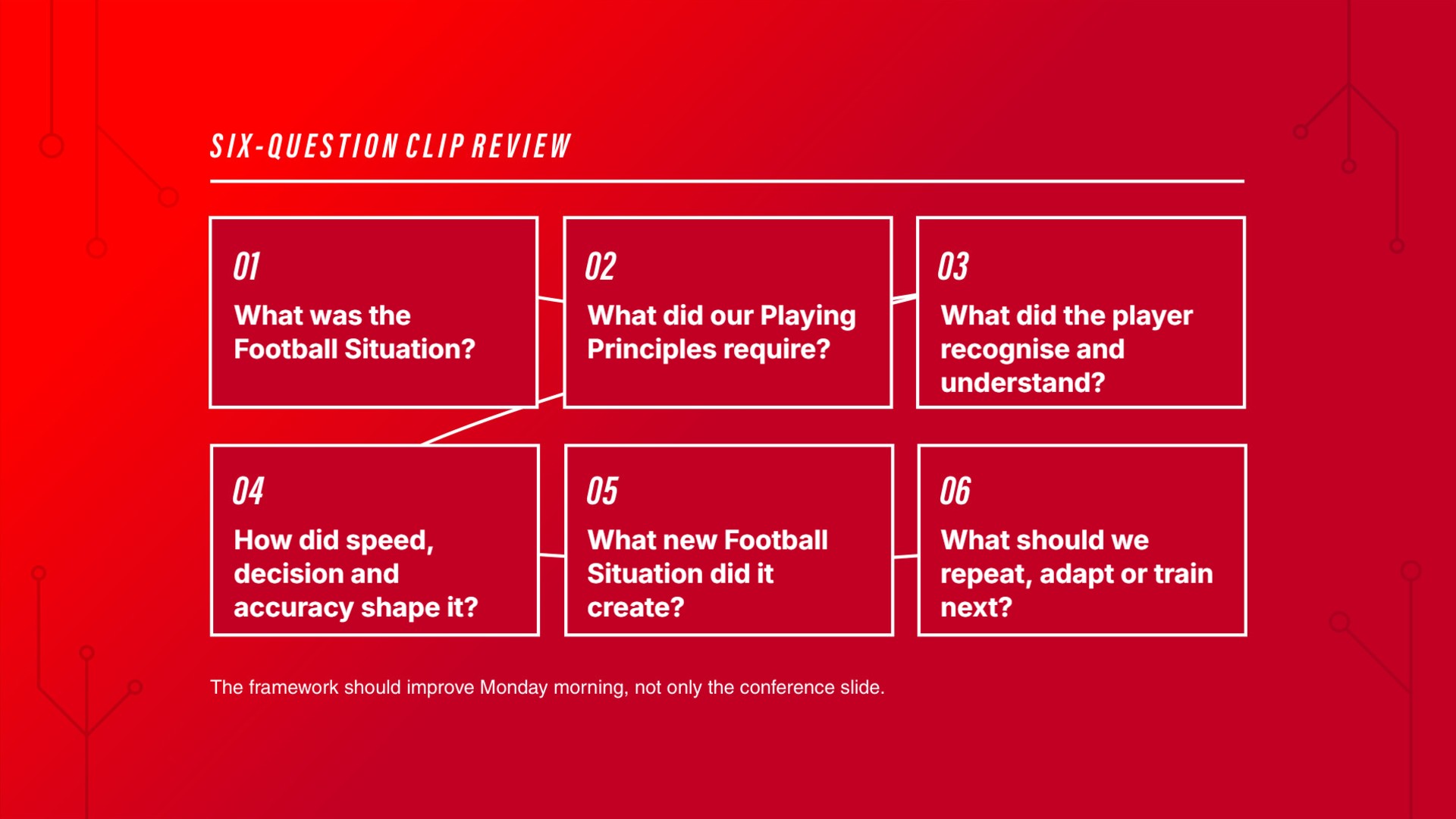
Six-question clip review
A clip review with SPF should improve Monday morning, not only the conference slide.
What was the Football Situation?
Pause the clip before the action. Name what the player was actually facing: where the ball and opponents were, how much space and time there was, which phase of play, what the scoreline demanded. Agree on this before anyone judges the action. After all, most disagreements in a review room come from people picturing a different situation.
What did our Playing Principles require?
State which Playing Principle was live in this moment, and what it asked for here. If no principle covers the situation, that is a finding about the Game Model, not about the player. Therefore, answer this before looking at what was chosen, so the standard is set independently of the outcome.
What did the player recognise and understand?
Look for scanning, body orientation and early positioning: the signs of what the player did or did not see. Then ask the player. For example, a player who read the situation correctly but executed poorly needs different training than one who never saw the option at all.
How did the three capabilities shape the Football Action?
Separate them before judging. Was it too slow (Situational Speed), the wrong option from those available (Decision Making), or the right option executed imprecisely (Situational Accuracy)? A fast action can still be late; an accurate pass can still be the wrong pass. In the end, naming which one broke down is what makes the feedback trainable.
What new Football Situation did it create?
Let the clip run two or three seconds past the action. Was the team better or worse placed than before? More time, better angles, more options, or pressure arriving sooner? Judge the situation that was created, not whether the move ended in a goal. This is where E / P / N / Ne is applied.
What should we repeat, adapt or train next?
One clip is an anecdote. So check whether the same situation keeps returning before changing anything. If it does, decide what follows: feedback to one player, a training design that recreates the situation, or an adjustment to the principle itself. Finally, set how you will check it next time.
One clip review, six questions
A made-up moment to show how a review reads. Not real match data.
- Football SituationWe lose the ball on the right, 30 metres from our goal. Opponent wants to play forward fast.
- Playing PrincipleCounter-press within three seconds. Close the nearest forward passing lane.
- Game UnderstandingThe right midfielder sees the opponent’s only safe pass is inside, not down the line.
- CapabilitiesSpeed: reacts at once. Decision: steps inside, not to the ball. Accuracy: angle cuts the lane.
- New Football SituationForced pass is intercepted, forward pass breaks the line, we enter the high zone.
- NextRepeat in training: 6v6 rondo with a three-second counter-press rule.
PRated Positive: the right action at the right moment. He enabled the interception; a teammate won the ball. Winning it himself would make it E.
Implications by role
Invitation to collaborate
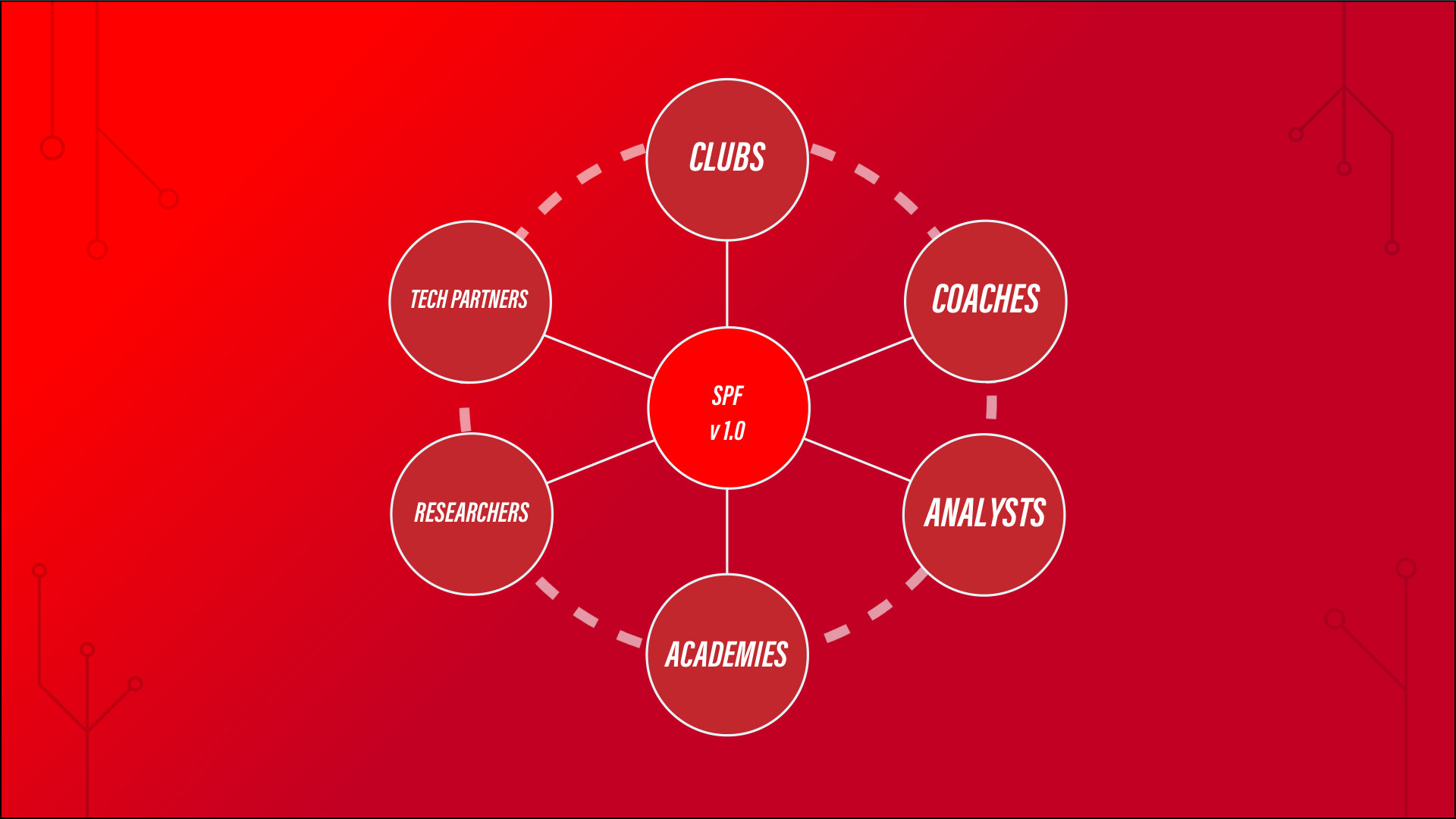
Version 1.0 is intended to start a professional discussion, and a programme of practical testing.
Forward Football is inviting clubs, coaches, performance staff, analysts, academy leaders and researchers to challenge the language, apply the method to real Football Situations and help define the evidence required for the next version.
What should the next era of Performance Analysis look like if we want to develop football from within, starting with the game itself?
Starting a clip review pilot: practical questions
- What do we need?
- Match video from a good-quality camera. Technoleon works in your browser, so there is nothing to install. Already using another data provider? We can connect it.
- Do our staff tag the matches?
- No. Forward Football tags every football action for you, so your staff start with the analysis, not the admin.
- Do coaches need a data background?
- No. Technoleon is built for coaches and analysts, and experienced coaches and analysts from Forward Football support your staff.
- How does a pilot start?
- With a conversation about your club, your playing style and your Playing Principles. Staff time and the number of matches are agreed with each club in that first conversation.
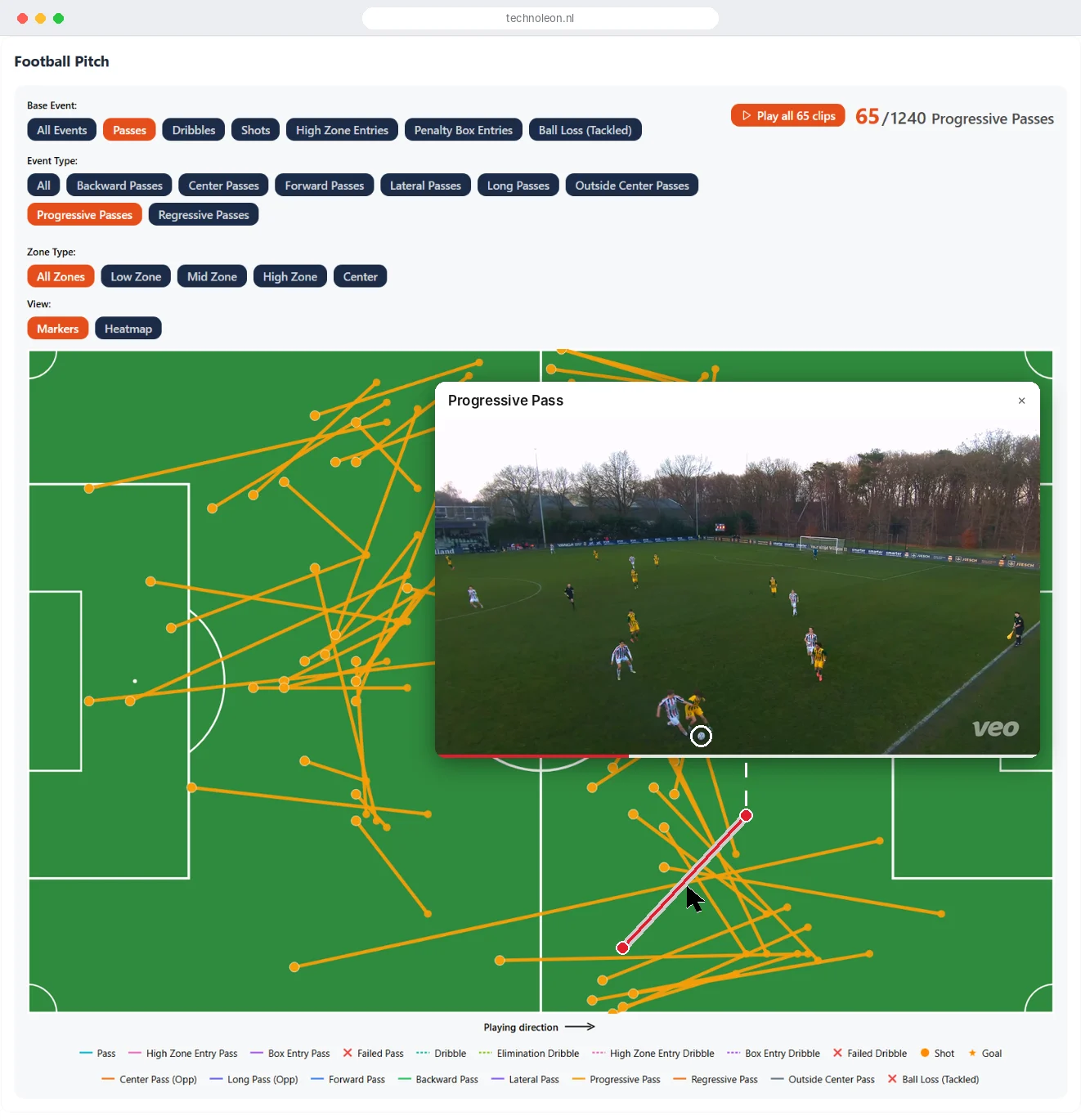
The Situational Performance Framework licence
One licence for your club: Technoleon, our analysis platform, plus staff workshops and match analysis by Forward Football.
- A working E / P / N / Ne scale: Exceptional, Positive, Neutral, Negative
- Judged against your own Playing Principles, not generic stats
- From team patterns down to each player’s contribution
- Workshops plus a six-question clip review your staff can use every week
- Match analysis done for you by Forward Football
Pricing on request. Version 1.0: pilot clubs use the method on their own matches and help shape the next version.
Follow new SPF versions and pilot updates on Forward Football on LinkedIn.